Going to the field with MSF

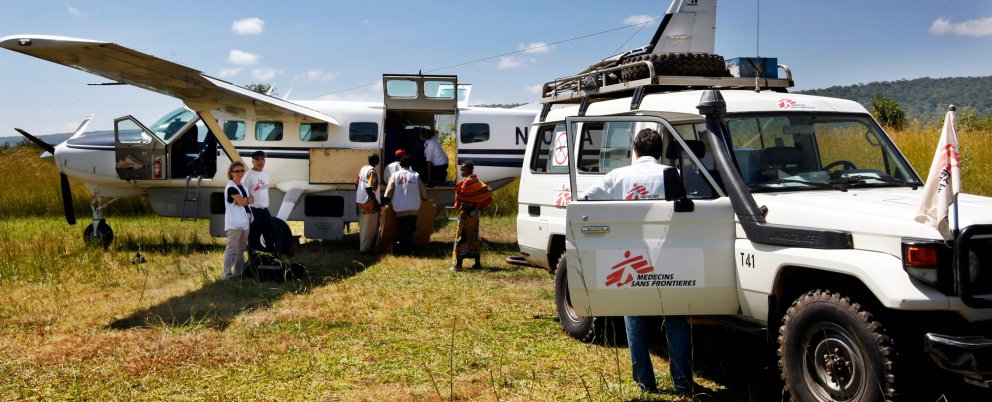
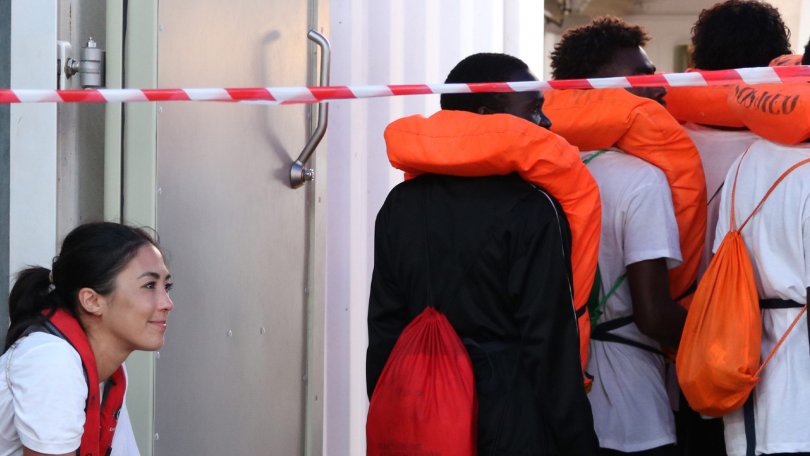
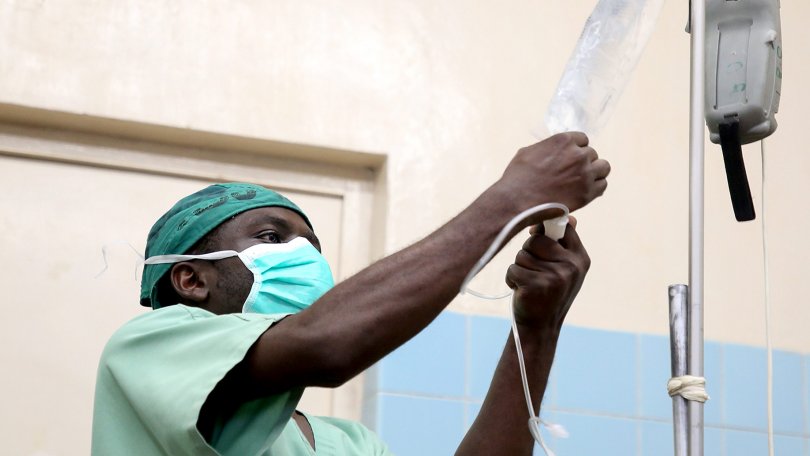
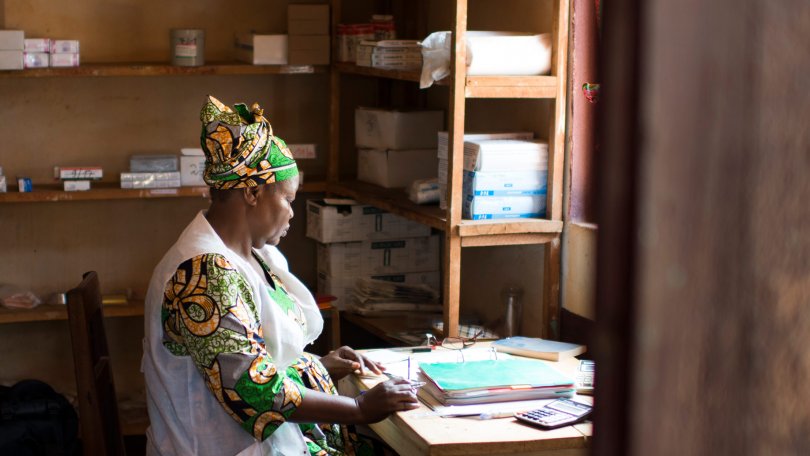
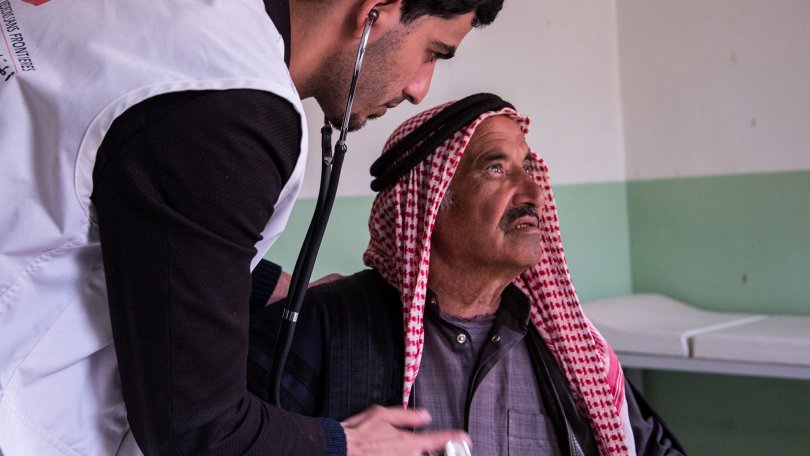
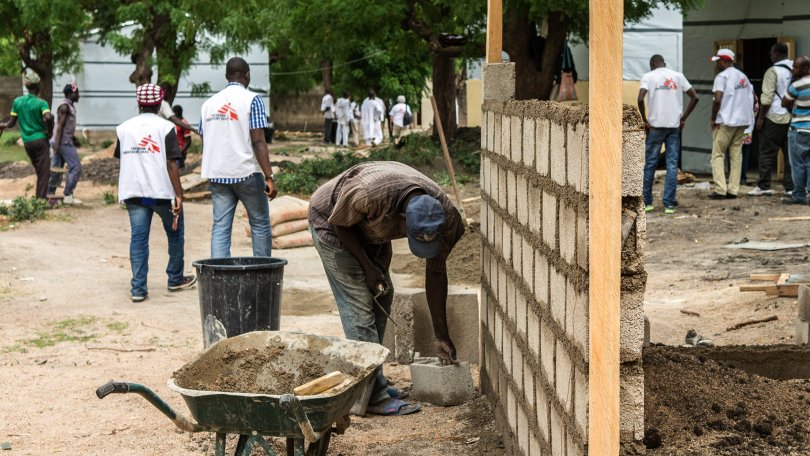
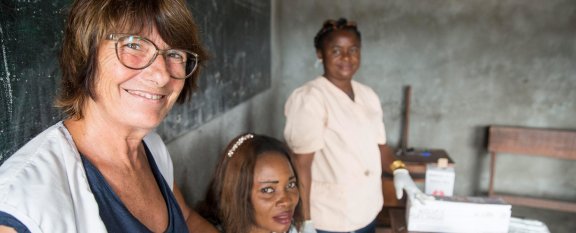
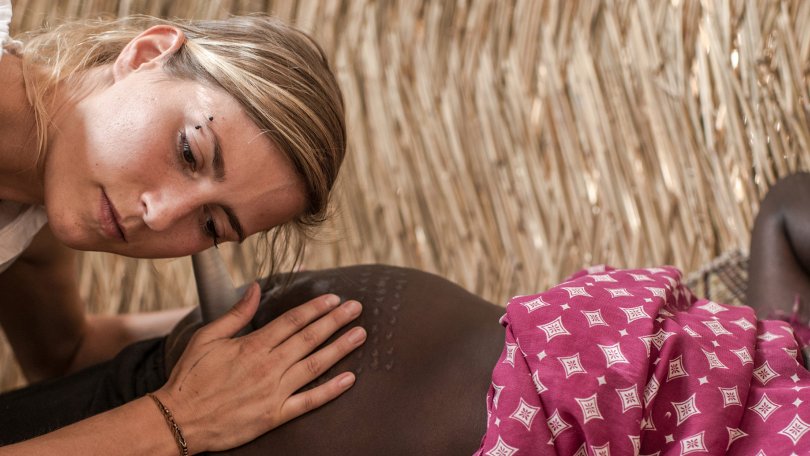
Going to the field with MSF means making a commitment to an idea and getting involved in the work of an associative movement that provides aid to populations in distress. In the field, our missions consist of two main components: providing medical assistance and bearing witness to the situations encountered. Some of our programmes are implemented in emergency situations, and others are medium-term medical assistance programmes. Becoming an MSF volunteer means not only bringing your professional skills to the service of people in need. It is also important, for us as much as for you, to think about your personal commitment.
profils recherches

Vacancies

Paramedical pool:

  • Nurses
  • Midwives
  • Laboratory technicians
  • Clinical psychologists
  • Nutritionists
  • Physiotherapists.

Medical pool:

  • Physicians and specialists (surgery, paediatrics, gynaecology, psychiatry, etc.)

Non-medical pool:

  • Logisticians
  • Technicians
  • Engineers
  • Supply chain managers
  • Builders
  • Architects
  • Construction workers
  • Mechanics
  • Administrators (postgraduate degree in management, economics, accounting and financial auditing, human resources management)

Please see the following documents for a list of tasks by job category:

  • Medical Doctor
  • Psychologist/psychiatrist
  • Nurse
  • Midwife
  • Administrator
  • Logistician
  • Laboratory technician
 

Recruitment process

The recruitment process consists of the following stages:

  1. Information session
  2. Submission of CV and cover letter
  3. Interview + Tests for non-medical staff
  4. Training and preparation for first field mission
  5. Posting

Please attend one of our regularly scheduled information sessions before submitting your application. You can find out when and where the next information session takes place by visiting the Agenda on our website at www.msf.ch/agenda

Please send the following with your application (in French or English only) to the address recruitment@geneva.msf.org:

  • Statement of purpose / cover letter
  • CV
  • Copies of diplomas (you will be required to present them at the interview)
  • Employment certificates (you will be required to present them at the interview)

Please note: Only applications sent electronically will be considered.

The Recruitment Service will contact qualified candidates to schedule the following:

  1. Interview
  2. Technical tests (for non-medical personnel)
 

About MSF

MSF sections

Since 1971, Médecins Sans Frontières has provided assistance all over the world to populations in conflict situations or victims of disasters, irrespective of race, religion, creed or political persuasion. Over the past decades, MSF has become an international movement comprised of 19 sections, five of which are operational centres - Belgium, France, the Netherlands, Switzerland and Spain - that administer missions directly. The other sections, or "partners”, play a role in the work of the operational centres through their recruitment, funding research and information activities.

The 14 partner sections are as follows:

  1. Australia
  2. Austria
  3. Canada
  4. Denmark
  5. Germany
  6. Greece
  7. Hong Kong
  8. Italy
  9. Japan
  10. Luxemburg
  11. Norway
  12. Sweden
  13. United Kingdom
  14. United States

An international office, based since August 2004 in Geneva, is responsible for exchanges between the sections and the representation of MSF at the international level.  The International Council, composed of the presidents of each section, oversees the coherence of the movement and its general direction.  The international movement is therefore made up of juridically independent associations, united under the same name and referring to the same charter and principles of reference.

All MSF volunteers act in accordance with the medical ethics and humanitarian principles, and adhere to the MSF Charter

The MSF Charter

MSF is a private international association. The association is made up mainly of doctors and health sector workers and is also open to all other professions which might help in achieving its aims. All of its members agree to honour the following principles:

  • Médecins Sans Frontières provides assistance to populations in distress, to victims of natural or man-made disasters and to victims of armed conflict. They do so irrespective of race, religion, creed or political convictions.
  • Médecins Sans Frontières observes neutrality and impartiality in the name of universal medical ethics and the right to humanitarian assistance and claims full and unhindered freedom in the exercise of its functions.
  • Members undertake to respect their professional code of ethics and to maintain complete independence from all political, economic, or religious powers.
  • As volunteers, members understand the risks and dangers of the missions they carry out and make no claim for themselves or their assigns for any form of compensation other than that which the association might be able to afford them.
 

FAQs

What are the main recruitment criteria?

General criteria:

  • Two years' experience
  • Language skills are an important asset. Knowledge of French, English as well as Portuguese, Spanish, Russian or Arab increases the possibilities of obtaining a job. First choice will be given to candidates who are English and French-literate.
  • Personal qualities (flexibility, team spirit, diplomacy, organizational skills, knowledge of developing countries, etc.)

Specific criteria/profession:

  • Medical doctors
  • Psychiatrists
  • Specialists
  • Nurses: Training in tropical medicine or professional experience in a tropical country.
  • Midwives: Training in tropical medicine or professional experience in a tropical country.
  • Laboratory technician: Training in tropical medicine or professional experience in a tropical country.
  • Logistician: Technician, engineer, supply chain manager, builder, construction worker, mechanic, team manager
  • Administrator: Post-graduate degree in management, economics, accounting, finance, auditing. Experience in human resources management.

Where can I receive training in order to satisfy these criteria?

There are two main institutions for the study of tropical medicine:
the Swiss Tropical Institute in Basel, Switzerland (www.sti.ch), and
the Prince Leopold Institute of Tropical Medicine, Belgium (www.itg.be).

Non-medical personnel may be trained at Bioforce, an institute for training aid managers in the field of international solidarity (www.bioforce.asso.fr).

Is there an age limit for becoming a volunteer?

No, but because the living and working conditions in the field may be challenging, a good physical condition is essential.

What is the recruitment process?

Please see the section “Recruitment process” above.

Who covers the expenses for the journey to the interview and/or to the Assessment Center in Geneva?

All costs relative to journey, accommodation, meals, insurance et cetera are covered by the candidate.

Does MSF recruit medical students or interns?

MSF does not send interns on projects, mainly because of the lack of training capacity in the field and for reasons related to complications with contracts. Expatriates must be operational and able to work independently.

What will I be paid, and what other expenses are covered?

Under the terms of his or her contract (which is related to the length of the contract), an expatriate sent out to the field will receive a salary, access to welfare coverage such as medical care, accident insurance, repatriation, housing and a per diem for personal expenses.

The pay level during the first year of MSF humanitarian field experience in the field is pegged to the first step on the salary scale, being CHF 1600 for Swiss residents*. After the first 12 months, salaries will be calculated according to the MSF-Switzerland scale in effect, taking into account both the professional experience of the person concerned and the level of responsibility undertaken during the mission.

As regards social benefits during the term of the contract, expatriates who are Swiss residents are required by law to be covered by the social insurance applicable in Switzerland (unemployment, disability, death, maternity) and a proportion of the salary is withdrawn at source for the payment of those contributions.

* The salaries for non-Swiss residents are based on the candidate's country of residency and insurance coverages.

May I choose the destination of my assignment?

Expatriates may express any geographic preferences they might have. However, under the MSF Charter, the provision of assistance to populations in distress must take primacy over geographical preference.

Candidates must be flexible and ready to work where their skills are most needed.

What are the criteria for the decision where to send somebody on mission?

The recruiter handling the application of a new candidate makes a proposal to his or her colleagues in the human resources department, taking the greatest care to match the profile of the candidate with the requirements for the post. The final decision on the selection of a candidate is made by the persons having direct responsibility (at headquarters and in the field) for the project.

How long will it take between being accepted and sent on mission?

The time between being accepted on the register and being sent on mission can vary from a few days to weeks or even months as it all depends on the needs of the field missions. During the waiting period the candidate will be regularly informed about the status of their assignment and about possible estimates for the wait.

What are the living conditions?

Living conditions vary from one place to another. MSF makes an effort to provide appropriate living conditions that enhance the success of its programmes and taking into account the local living standards. In regular missions we try to give each expatriate staff member a single room. The common areas (kitchen, dining room, etc.) are shared with other members of the team. Notwithstanding, on emergency missions living conditions might sometimes be rather harsh.

Please be aware the life on mission will most likely be in stark contrast to your everyday life -- personal time and personal space might be rare, and in some projects it might also be difficult to get access to email or telephones, and those costs might have to be covered by you.

How long is a mission?

Each staff member who is sent to the field is prepared to undertake a mission lasting minimum 12 months. The duration varies, depending on the location and circumstances of the job profile. In the case of an acute emergency, the mission might last from a few weeks to three months; in more stable contexts, the mission might run from 6 to 12 months or more. Coordination posts are usually 12-month positions.

Specialists (surgeons, gynaecologists) may take up field missions for very short periods, but this is not the case for general practictioners, paramedical or non-medical profiles. MSF mainly seeks candidates who are prepared to make long-term commitments and engage in cooperation over several years.

Does MSF offer training?

MSF organizes and offers specific internal training (medical, logistics, management, etc.). A candidate who would like to be sent to the field on several missions, and wishes to assume posts of higher levels of responsibility is offered the appropriate training options.

Does MSF accept couples in the field?

Couples or families are not sent to the field on a first assignment. Security and housing conditions make it difficult for couples or families to be posted in the field; therefore, MSF gives priority to candidates without marital or family commitments. Families or couples might nevertheless be subsequently allowed to work in the field in coordination posts, for example, if living conditions are adequate (security, access to medical or school facilities). This is discussed on a case by case basis.

What does MSF offer as preparation for field work?

In principle, MSF provides field preparation courses for candidates before they are sent out. This training consists of a week of general presentation on the organization, its internal operations and MSF protocols. In addition, several days of specific training (medical, logistics, administrative) are provided.

Is it possible to pursue a career within MSF?

It is difficult to speak of a career as such, but MSF offers the possibility to expatriates who so desire, to pursue a professional career later on. A nurse who joins the association today could be a medical coordinator or head of mission tomorrow. Some expatriates end up in high-level positions at headquarters. The training programmes offered by MSF allow staff members to specialize in a particular area, and to gain expertise in one of the areas of relevance to the work of MSF.

What are the duties of a medical doctor in the field?

Please see the document with a sample of a job profile for a Medical Doctor above.

How is security handled in the field?

Working with MSF is not without risk but the security of its staff is part of the highest priorities of the organisation. Security is directly related to the professional risks engendered by the context, the mission and the nature of the organisation, but also to the behaviour of each individual. MSF guarantees the risk management procedures and security guidelines of each mission. Each expatriate is briefed before departure on the precise security conditions of his or her mission. The adherence of volunteers to the security guidelines and compliance with existing rules are not negotiable.

What happens if I become seriously ill or injured?

MSF has a commitment to provide medical evacuation if necessary.

Partager
S'abonner à la newsletter
Rester informé

S'abonner