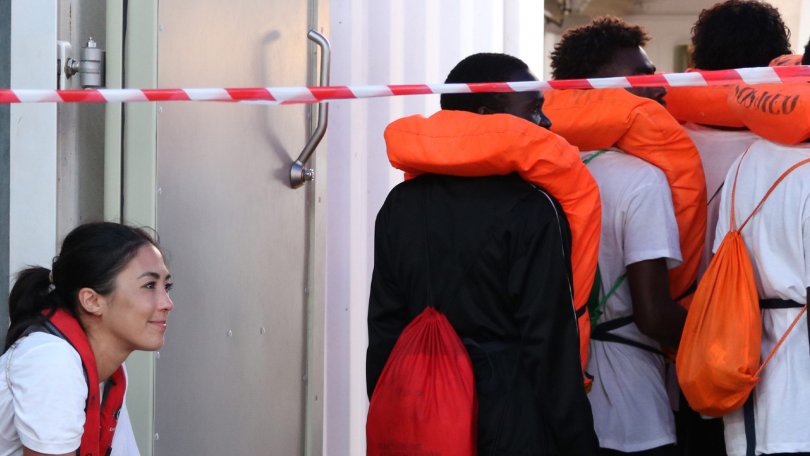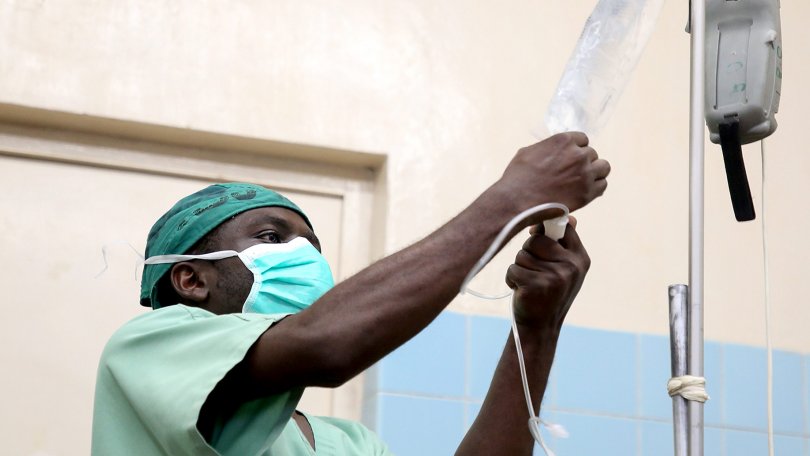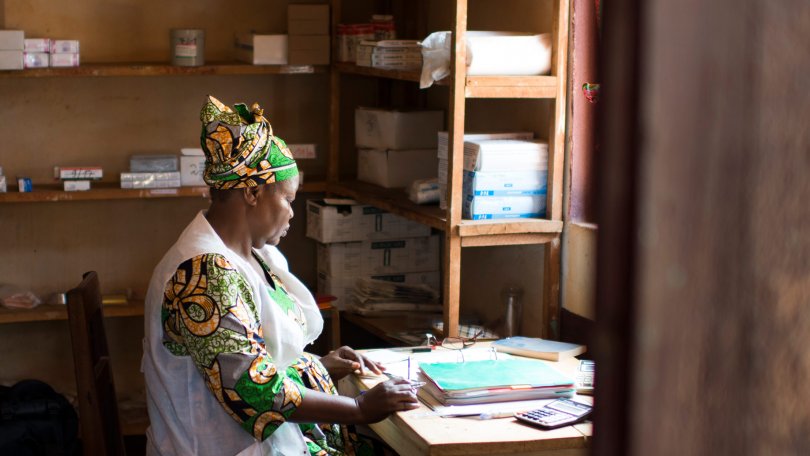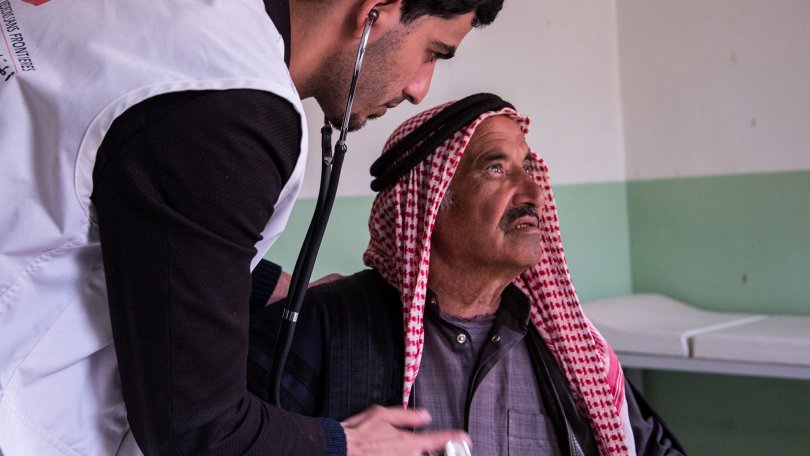
Urgently looking for
MSF is looking for specialized profiles both in the medical sector and in support activities. We encourage applications from anyone regardless of gender, age, sexual orientation, nationality, origin, religion and any other diversity characteristics.
Image alt: Rejoignez nos équipes sur le terrain - Médecins Sans Frontières
Online
- German
April 23, 2024 Tuesday, 7pm-8:30pm
Online
- French
May 22, 2024 Wednesday, 6pm - 7.30pm
In presence
- German
June 11, 2024 Tuesday, 6pm - 8pm
MSF attracts people from all over the world who want to use their skills to make a difference through effective, relevant humanitarian work. Our staff work extremely hard and are committed, skilled and adaptable individuals. To deliver our life-saving medical aid in the areas where it is needed most, we rely on a network of medical, paramedical, logistical and administrative professionals.
MSF aims to be a socially responsible employer, to make working with MSF a choice for the long term. We foster a working environment that offers you:
Going on your first assignment with Médecins Sans Frontières requires some preparation and reflection. In addition to applying your professional skills, you will need to demonstrate commitment to the populations at risk and respect the values and principles set out in the MSF Charter as well as our behavioural standards as stated in the Behavioural Commitments page.
Those values and principles are embodied and demonstrated daily, through decisions made by the organisation as a whole and by each of its members individually. We expect MSF staff to understand our values and make them their own.
At MSF, we are committed to an inclusive culture that encourages and supports the diverse voices of our employees. We welcome applications from individuals of all genders, ages, sexual orientations, nationalities, races, religions, beliefs, ability status, and all other diversity characteristics.

26 countries
77 projects
5'950 staff
Your application will be processed by a specific MSF office according to your country of residence. If you are already employed by MSF Switzerland, choose "OCG Field employee" or "OCG HQ employee".
Please notice that some offices do NOT recruit specific profiles. If that might be the case for your profile, please apply via MSF Switzerland.
This application form is only for field missions. If you wish to apply for HQ positions, please consult our current jobs postings.
As Candidates, MSF cares about protecting your data. By applying to a position, you accept that MSF will use your personal data. For more information, please read our Human Resources Privacy notice.
It is rare that MSF advertises job openings for specific countries or projects.
Instead, in order to be able to respond to medical emergencies, MSF recruits applicants into different professional reserve lists, (also referred to as “pools”) throughout the year. Candidates within the pool will be matched to a specific position in a specific country based on their skill set, competencies, technical experience and background.
When applying to join our pool, you can indicate any geographic preferences you may have. However, in accordance with the MSF Charter, providing assistance to populations in distress must take priority over geographical preferences. As a candidate, you must be flexible and willing to work wherever your skills are most needed. Therefore, it is not always possible to fulfil specific country requests. MSF expects candidates to be flexible about where they work so that we can meet the needs of the field. However, if you have special skills, speak additional languages or have restrictions, those will be taken into consideration for each placement.
The standard duration of a first posting is six months. Medical specialists such as anaesthetists, gynaecologists and surgeons are placed in projects from six weeks to three months. This is not the case for general practitioners, paramedical or non-medical profiles.
For subsequent postings, depending on the needs of the country, the duration may be shorter for emergencies (several weeks to three months) or longer (perhaps six to 12 months) in more stable contexts. Coordinator positions are opened for a longer period, from one to two years.
We are mainly looking for candidates who are prepared to make a long-term commitment and work with MSF over several years. We therefore ask you to engage with MSF for more than one mission, or at least 12 months. This will probably include one or more breaks, as it is important to rest between assignments. You are invited to discuss the timing of your break with your career manager when you return from the first posting.
For all non-medical profiles, a minimum of two years’ relevant work experience is required (excluding internships and voluntary work). For doctors, a minimum of three years is required (excluding internships and voluntary work). Surgeons need 2 years post-specialisation experience and specialists do not need post-specialisation experience. For all medical profiles, a minimum of three years’ experience is required (excluding internships and voluntary work). Previous work experience is essential as we expect a high level of autonomy from our staff in the field. Detailed criteria for each profile can be found under What’s your profile?.
Chaque franc compte
Abonnez-vous à notre newsletter
Rejoignez nos équipes